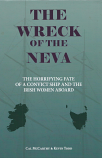
On 8 January 1835 the Neva sailed from Cork carrying 241 people — mostly Irish women convicts and the wives and children of convicts already transported, travelling to join their families in New South Wales. On 13 May 1835 the ship struck a reef just north of King Island in Bass Strait and sank. Of the 241 aboard, 224 drowned — one of the worst convict ship disasters in Australian history.
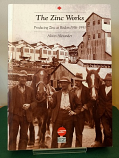
A history of the EZ zinc works at Risdon, on the edge of Hobart, from 1916 to 1991. Tasmanian industrial history.


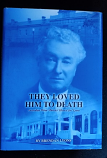
A biography of Professor Theodore Thomson Flynn — zoologist, Royal Commissioner, academic and father of Errol. Theo Flynn arrived in Hobart to take up a professorship at the University of Tasmania at the age of 28, where he built a reputation as a leading researcher in marsupial biology.

Heather Donaldson's short stories about her childhood in Tasmania are full of scares and dares.
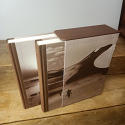
This 2-volume Folio Society set compiles Wilfred Thesiger’s definitive travel classics, Arabian Sands and The Marsh Arabs. Together they provide a profound account of his journeys through the Empty Quarter of Arabia and his years living among the indigenous peoples of the Iraqi marshes.

In Nan Chauncy's classic Tasmanian children's novel, four English orphans - Cherry, Nigel, Brick and Nippy - migrate to Tasmania, to the care of their Aunt Jandie on her farm outside Hobart. Their arrival is greeted with enthusiasm by young farm boy Tas, and weeks of exploration and good times follow before Aunt Jandie goes to hospital, leaving the children in the care of Ma and Pa Pinner, her foreman and housekeeper.
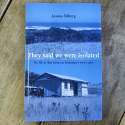
In 1974, twenty-year-old Joanna and her husband Peter set out to turn a remote, neglected property on Tasmania's wild west coast into a working cattle enterprise. Three hours' drive from the nearest town at the end of a rough, sandy track, Top Farm offered no plumbing, no telephone and no neighbours.