Surprising personal glimpses of the eminent and enigmatic Australian and Tasmanian poet Gwen Harwood.


Published by the Tasmanian Department of Education and the Arts, this book explains Tasmania's landforms and geology through the processes that shaped them, in chapters covering weathering, soils and soil erosion, groundwater, river development, waves and coastlines, and glaciation, among others.

Four local history booklets on Bellerive, on Hobart's Eastern Shore, published by the Bellerive Historical Society. Originally settled in the 1820s and known as "Kangaroo Point", the area was renamed Bellerive in the 1830s, and became the hub of eastern-shore ferry contact with Hobart.

Beneath the Mountain traces South Hobart from its Aboriginal and convict-era origins — including the Cascades Female Factory and industries along the Hobart Rivulet such as the Cascade Brewery, milling, tanning and even shell necklace and wombat coat making — through to its rebuilding after the devastating 1967 bushfires and its development into the friendly, close-knit suburb it is today.


A photographic survey of the marine life found in the Tamar River and estuary in northern Tasmania. The Tamar is often thought of as a muddy, silty waterway — but beneath the surface it supports a surprising diversity of marine life, including weedy seadragons, seahorses and a wide range of other estuarine species.

Tasmanian artist James Voute has written this illustrated chapter book for children aged 8 to 11 years.
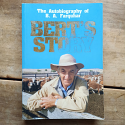
The autobiography of Bert Farquhar — former owner of Rushy Lagoon, Tasmania's largest farm, spanning nearly 22,000 hectares near Cape Portland on the state's far north-eastern tip. Rushy Lagoon has recently been in the national news — the sale of the property from the estate of New Zealand's Pye family to a UK forestry investment firm for over $100 million was approved by Federal Treasurer Jim Chalmers on 8 July 2026, amid some controversy.