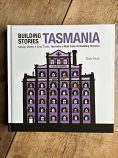
Building Stories Tasmania is an illustrated tour of Tasmania's most distinctive buildings - working waterfronts, former hydro sites, pubs, bookshops, hotels, theatres and small-town main streets - told through the people who built, worked and lived in them: convicts, clergy, brewers, booksellers and activists.
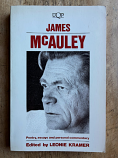
This volume brings together James McAuley's poetry, critical essays and personal commentary, ranging from his childhood in NSW to his years in Tasmania.
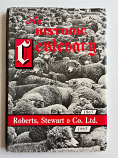
Roberts, Stewart & Co traces its roots to 1865, when Henry Llewelyn Roberts, George Anthony Kemp and John William Abbott founded an auctioneering business in Tasmania, originally known as Kemp, Roberts and Co, selling farm produce, skins and hides.
Our price:AUD 32.00
including GST
10.00
% (
AUD 2.91
)
OUT of PRINT
Tasmanian titles no longer available new, sourced as quality used copies. If a book you're after isn't in stock, check back — we regularly source out-of-print titles.
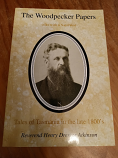
The Woodpecker Papers contains nature tales of Tasmania in the late 1800s from Rev Henry Dresser Atkinson, originally published in the Church Messenger and the Church News before 1900, and after that in the Tasmanian News.
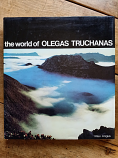
Max Angus's tribute to Olegas Truchanas — the Lithuanian-born Tasmanian wilderness photographer, canoeist and environmental activist whose life and work directly shaped the course of Tasmanian conservation history. Truchanas arrived in Tasmania as a refugee after WWII and found in the island's wild places a landscape that moved him profoundly. He became an extraordinary wilderness photographer and one of the most skilled canoeists in Australia, making solo journeys through country that had defeated most previous expeditions
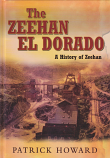
At its mining height Zeehan was the third largest town in Tasmania; Zeehan's railway yards handled the largest tonnages in the state, thus providing an economic stimulus to the North-West Coast particularly Burnie.
A biography of Professor Theodore Thomson Flynn — zoologist, Royal Commissioner, academic and father of Errol. Theo Flynn arrived in Hobart to take up a professorship at the University of Tasmania at the age of 28, where he built a reputation as a leading researcher in marsupial biology.
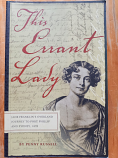
In 1839, Jane, Lady Franklin — wife of Tasmania's Lieutenant-Governor Sir John Franklin — did something almost no colonial woman of her time did: she set out from Hobart to Port Phillip, then overland from Melbourne to Sydney, travelling through country few Europeans had crossed.