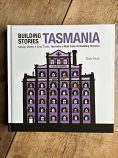
Building Stories Tasmania is an illustrated tour of Tasmania's most distinctive buildings - working waterfronts, former hydro sites, pubs, bookshops, hotels, theatres and small-town main streets - told through the people who built, worked and lived in them: convicts, clergy, brewers, booksellers and activists.
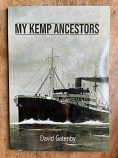
My Kemp Ancestors traces six generations of David Gatenby's Kemp family line, opening on the Isle of Sheppey before following the family chapter by chapter from William Kemp and Amelia Fowler onwards.
Our price:AUD 39.95
including GST
10.00
% (
AUD 3.63
)
Just Tassie Books
Browse thousands of Tasmanian books at The Book Cellar - convict history, local and family history, Aboriginal Tasmania, maritime, art, nature and fiction, new and out of print. Books ship from Campbell Town, Tasmania.
A book that explores the relationship between journalists who reported on the Port Arthur massacre and their subjects over the twenty years since it took place.
Kate Gordon's historical mystery novel for older children, set in the Tasmanian Midlands in 1916 — the country around Ross, Campbell Town and Oatlands that The Book Cellar calls home. As the Great War rages overseas, eleven-year-old Lorna Whittle and her four sisters fight their own battles at their grandparents' Midlands farmhouse.
John Washington Price was just 21, and recently graduated from Dublin's College of Surgeons, when he sailed as ship's surgeon aboard the transport Minerva from Cork to Sydney in 1799, carrying 200 convicts. Many were United Irishmen transported for their role in the 1798 Rebellion, including the rebel leader General Joseph Holt.
Published by the Hobart City Council in 2004, The Mountain: A People's Perspective gathers the voices and experiences of Tasmanians for whom kunanyi/Mount Wellington is part of daily life — a civic project exploring what the mountain means to those who live in its shadow.
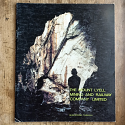
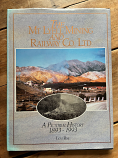
The Mt Lyell Mining And Railway Co, Ltd traces a century of the company's history on Tasmania's west coast, from its formation in 1893 and the building of its smelters and the Abt Railway linking Queenstown to Strahan, through its early battle for dominance with rival companies, to the workers and innovations that shaped the mine and the changes that followed.