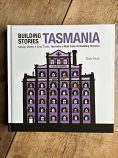
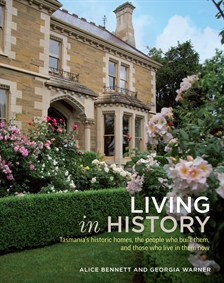
Building Stories Tasmania is an illustrated tour of Tasmania's most distinctive buildings - working waterfronts, former hydro sites, pubs, bookshops, hotels, theatres and small-town main streets - told through the people who built, worked and lived in them: convicts, clergy, brewers, booksellers and activists.
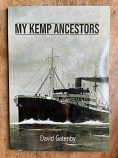
My Kemp Ancestors traces six generations of David Gatenby's Kemp family line, opening on the Isle of Sheppey before following the family chapter by chapter from William Kemp and Amelia Fowler onwards.
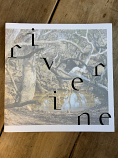
Riverine documents four autumns of collaborative work by artists Raymond Arnold, Ian Westacott and John Wolseley, camped along the Banyena/Richardson River at Bonnie Brae, a regeneratively managed farm in Victoria's Wimmera region; the book brings together more than 50 paintings, watercolours and etchings with essays by farm steward Prue McAllister and the three artists.
Our price:AUD 45.00
including GST
10.00
% (
AUD 4.09
)
Just Tassie Books
Browse thousands of Tasmanian books at The Book Cellar - convict history, local and family history, Aboriginal Tasmania, maritime, art, nature and fiction, new and out of print. Books ship from Campbell Town, Tasmania.
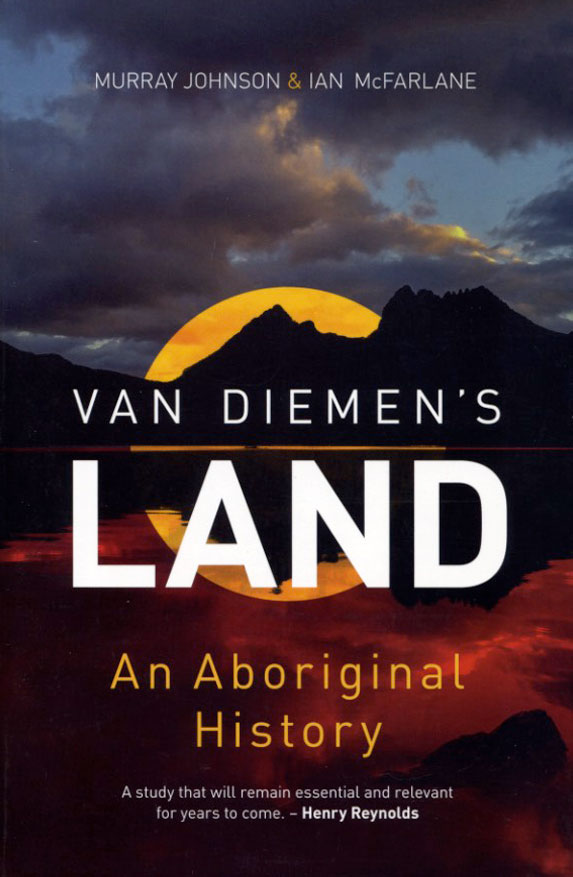
This epic and sweeping 200-year saga of an ancient island and its violent transformation from Eden-like paradise to the tourist destination that Tasmania is today, is told through the lives of four families.
A Divided Society: Tasmania during World War One is historian Marilyn Lake's study of the island's home front rather than the battlefield — a community split by the bitter conscription referenda of 1916 and 1917, sectarian conflict between Protestants and Catholics stoked by the conscriptionist press, and wartime surveillance through the Loyalty League, as political, religious and community leaders encouraged growing fear and suspicion.
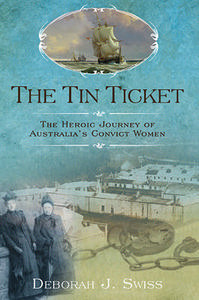
The Australasia sailed from Dublin in May 1849 carrying 200 female convicts, many from the western counties of Ireland where the effects of the Great Famine were still being felt, and anchored in the Derwent River on 28 September 1849. Rather than landing immediately, the women typically spent a further six months moored on the river under the probation system, before being hired out into service across the colony.
A Far Microcosm is a detailed history of Tasmania's architectural heritage from 1803 to 1914 — its influences and styles, materials and construction, building forms and types, and the adaptations made in response to climate and social and economic circumstances. This four-volume set explains every style and size in detail, with explanations of architectural and technical terms and extensive illustrations throughout.