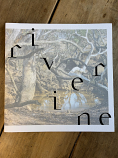
Riverine documents four autumns of collaborative work by artists Raymond Arnold, Ian Westacott and John Wolseley, camped along the Banyena/Richardson River at Bonnie Brae, a regeneratively managed farm in Victoria's Wimmera region; the book brings together more than 50 paintings, watercolours and etchings with essays by farm steward Prue McAllister and the three artists.
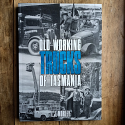
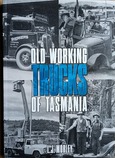
L.J. Morley's history of Tasmania's working trucks from 1909 to 1970 - from Mt Lyell mining trucks and Huon apple trucks to Hobart's fire engines and wartime army vehicles, with hundreds of photographs.
Rees Campbell, author of the bestselling Eat MORE Wild Tasmanian, turns her attention to Tasmania's off-shore islands. There are some 6,500 islands, islets, rocks and reefs around the state, and this book visits 40 of them — from the largest, Flinders Island, to the remote and uninhabited Pedra Branca and Mewstone in the Southern Ocean, to some of the smallest and closest, like the Harbour Islets in the state's far North West.
Our price:AUD 75.00
including GST
10.00
% (
AUD 6.82
)
Just Tassie Books
Browse thousands of Tasmanian books at The Book Cellar - convict history, local and family history, Aboriginal Tasmania, maritime, art, nature and fiction, new and out of print. Books ship from Campbell Town, Tasmania.
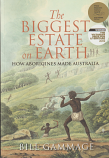
Bill Gammage explodes the myth that pre-settlement Australia was an untamed wilderness revealing the complex, country-wide systems of land management used by Aboriginal people. This is a USED book.
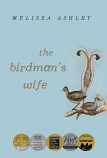
A woman overshadowed by history steps back into the light. Artist Elizabeth Gould spent her life capturing the sublime beauty of birds the world had never seen before, but her legacy was eclipsed by the fame of her husband, John Gould.
Between 1825 and 1831, close to 200 British colonists and around 1,000 Aboriginal Tasmanians died violently in what became known as the Black War — the most intense and sustained frontier conflict in Australian history. Nicholas Clements takes a different approach to this history from most accounts.
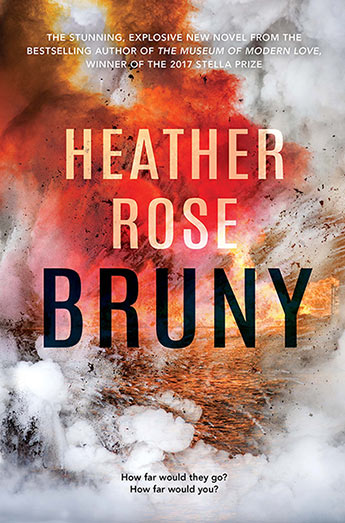
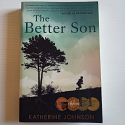
When a school group of teenage girls goes missing in the remote wilderness of Tasmania's Great Western Tiers, the people of Limestone Creek are immediately on alert.
On 12 October 1973 the Blythe Star left Hobart for King Island with a cargo of fertiliser and beer. Fourteen hours later it sank without warning. Its crew of ten made it into a life raft, destined to drift for eight days around southern Tasmania.
![Islands of the Island State - Rees Campbell explores 40 of Tasmania's 6,500 offshore islands, their history & wild food | 2026 [NEW – SC]](https://onlinestore.bookcellar.com.au/images/T/islands-of-the-island-state-tTnn8f.png "Islands of the Island State - Rees Campbell explores 40 of Tasmania's 6,500 offshore islands, their history & wild food | 2026 [NEW – SC]")
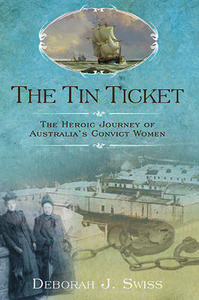

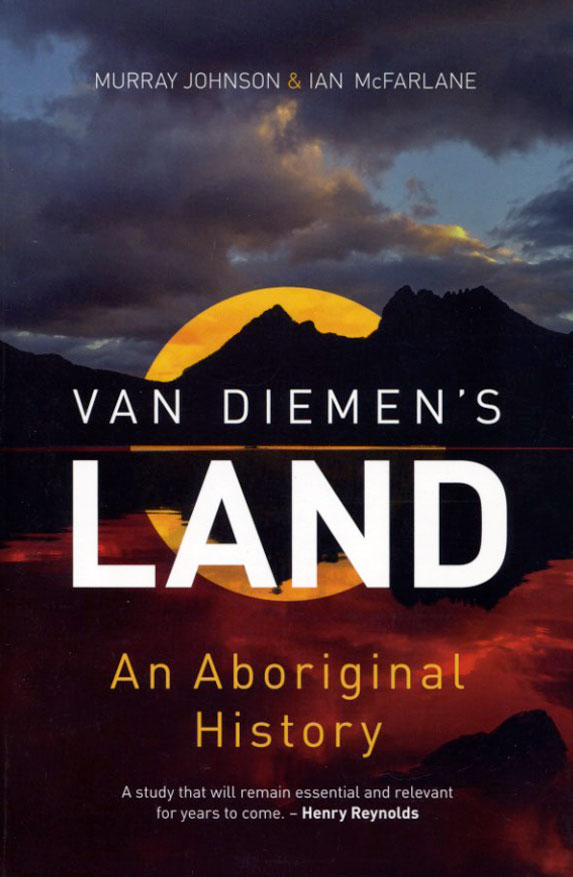
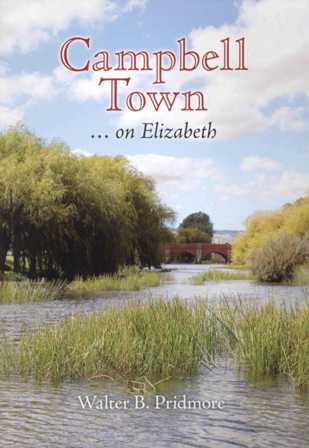
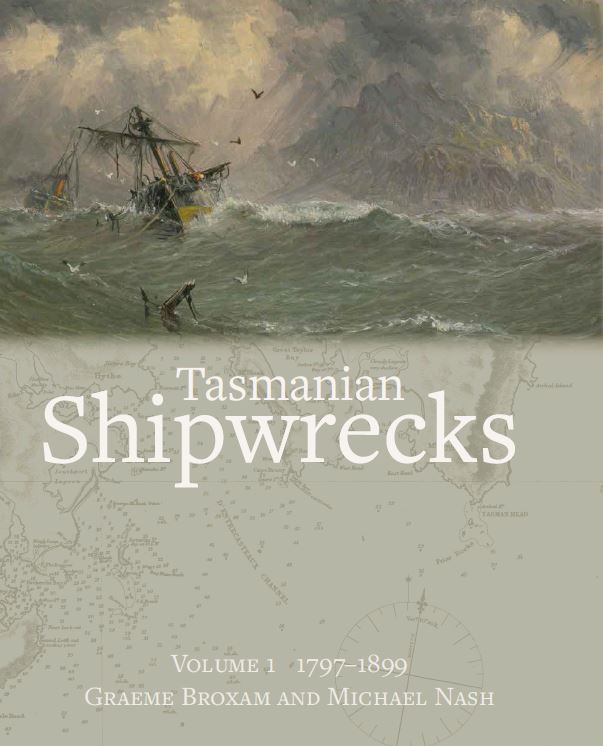


![The Black War – Fear, Sex and Resistance in Tasmania | Nicholas Clements | 2014 [SC]](https://onlinestore.bookcellar.com.au/images/T/black-war-5Io7Zy.png "The Black War – Fear, Sex and Resistance in Tasmania | Nicholas Clements | 2014 [SC]")
![The Blythe Star Tragedy - how indifference and negligence sank a ship and cost three men their lives | Michael Stoddart | 2022 [USED – SC]](https://onlinestore.bookcellar.com.au/images/T/blythe-star-tragedy-twKh3s.png "The Blythe Star Tragedy - how indifference and negligence sank a ship and cost three men their lives | Michael Stoddart | 2022 [USED – SC]")