- per page

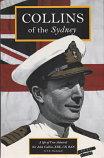
Collins of the Sydney
Biography of Australia's most lauded Navy Officer of World War Two.
Our price: AUD 26.50
including GST
10.00
% (
AUD 2.41
)
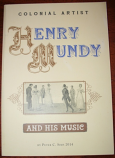
Colonial Artist Henry Mundy and his music
A biography and music scores of early colonial artist and music teacher in Van Diemen's Land, Henry Mundy. This is an out-of-print book in USED condition.
Our price: AUD 55.00
including GST
10.00
% (
AUD 5.00
)
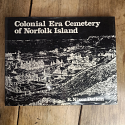
Colonial Era Cemetery of Norfolk Island
A record of the 150 convict and colonist graves in the colonial-era cemetery at Kingston, Norfolk Island, covering both the first (1788–1814) and second (1825–1856) settlement periods.
Our price: AUD 30.00
including GST
10.00
% (
AUD 2.73
)
![Colonial Life in Tasmania – Fifty Years of Photography 1855–1905 | Allan Sierp | 1976 [USED – HCDJ]](https://onlinestore.bookcellar.com.au/images/T/colonial-life-in-tasmania-6jYd1p.png "Colonial Life in Tasmania – Fifty Years of Photography 1855–1905 | Allan Sierp | 1976 [USED – HCDJ]")
Colonial Life in Tasmania – Fifty Years of Photography 1855–1905 | Allan Sierp | 1976 [USED – HCDJ]
A photographic record of colonial Tasmania covering the years 1855 to 1905. Compiled by Allan Sierp, the book draws together fifty years of early photography documenting the people, towns, industries and landscapes of Van Diemen's Land and early Tasmania.
Our price: AUD 35.00
including GST
10.00
% (
AUD 3.18
)
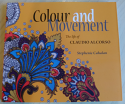
Colour and Movement - the life of Claudio Alcorso
Colour and Movement: the Life of Claudio Alcorso tells the story of one man's journey from a luxurious life in elite Rome, to that of a bankrupted tenant on Morilla Estate in Tasmania, where he watched as the winery he created transformed into MONA.
Our price: AUD 49.95
including GST
10.00
% (
AUD 4.54
)
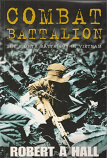
Combat Battalion
The Eighth Battalion The Royal Australian Regiment in Vietnam.
Our price: AUD 45.00
including GST
10.00
% (
AUD 4.09
)
![Commodore Sir John Hayes: His Voyage and Life 1767-1831 – Ida Lee (1912) [RESEARCH COPY – Missing Chart]](https://onlinestore.bookcellar.com.au/images/T/commodore-bookseller-stamps-close-up-oOs8Xj.png "Commodore Sir John Hayes: His Voyage and Life 1767-1831 – Ida Lee (1912) [RESEARCH COPY – Missing Chart]")
Commodore Sir John Hayes: His Voyage and Life 1767-1831 – Ida Lee (1912) [RESEARCH COPY – Missing Chart]
An original 1912 first-edition maritime history detailing Commodore Sir John Hayes’ Pacific expeditions and his early mapping of southern Tasmania. Please note: This volume is missing the primary folded chart facing page 24 and is offered strictly as a working research copy.
Our price: AUD 40.00
including GST
10.00
% (
AUD 3.64
)
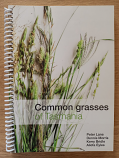
Common Grasses of Tasmania
Illustrated with colour photos. Spiral bound guide.
Our price: AUD 32.00
including GST
10.00
% (
AUD 2.91
)
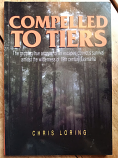
Compelled to Tiers
The gripping true account of an escaped convict's survival amidst the wilderness of 19th century Tasmania - bushranger, Daniel Priest.
Our price: AUD 26.50
including GST
10.00
% (
AUD 2.41
)
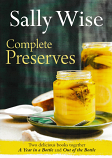
Complete Preserves - two books in one
Two delicious Sally Wise books published together as a single volume - A Year in a Bottle, and Out of the Bottle.
Our price: AUD 36.99
including GST
10.00
% (
AUD 3.36
)