- per page

![The Book of Q - an art book from Queenstown by printmaker Raymond Arnold's PressWEST | 2026 [NEW – HCDJ]](https://onlinestore.bookcellar.com.au/images/T/book-of-q-fvlS9K.png "The Book of Q - an art book from Queenstown by printmaker Raymond Arnold's PressWEST | 2026 [NEW – HCDJ]")
An art book from PressWEST, the Queenstown creative lab and printmaking workshop founded by Raymond Arnold.
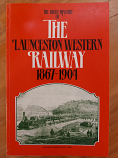
The Launceston and Western Railway Company was formed in 1867 to build Tasmania's first railway line, connecting Launceston to Deloraine to carry agricultural produce from the rich farmland around Perth and Longford to port for export. The 45-mile broad-gauge line opened in 1871 — but the company was almost immediately in financial trouble, and the government stepped in to take over its operations in 1873, though the formal purchase of its assets wasn't completed until 1904.
![The British Service Lee – Lee-Metford and Lee-Enfield Rifles and Carbines 1880–1980 | Ian Skennerton | 1981 [USED – HCDJ – Good]](https://onlinestore.bookcellar.com.au/images/T/British%20Service%20Lee-HnhJPx.png "The British Service Lee – Lee-Metford and Lee-Enfield Rifles and Carbines 1880–1980 | Ian Skennerton | 1981 [USED – HCDJ – Good]")
Ian Skennerton's comprehensive reference on the Lee-Metford and Lee-Enfield rifles and carbines — the standard infantry weapons of the British and Commonwealth forces from 1888 through to the late 20th century, covering the full century from their introduction in 1880 to 1980.
![The British Sniper – British & Commonwealth Sniping and Equipment 1915–1983 | Ian Skennerton | First Edition 1984 [USED – HCDJ – Very Good]](https://onlinestore.bookcellar.com.au/images/T/British%20Sniper-cV3EnP.png "The British Sniper – British & Commonwealth Sniping and Equipment 1915–1983 | Ian Skennerton | First Edition 1984 [USED – HCDJ – Very Good]")
Ian Skennerton's comprehensive reference on British and Commonwealth sniping from the First World War through to the Falklands conflict — covering the development of sniping doctrine, tactics, training, equipment and rifles across nearly seven decades of British military service.
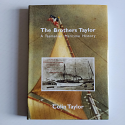
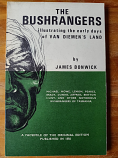
A 1967 facsimile reprint of James Bonwick's 1856 history of the early days of Van Diemen's Land - Michael Howe, Lemon, Pearce, Brady, Dunne, Jeffries, Britton Hunt, and other notorious bushrangers of Tasmania.