
- per page

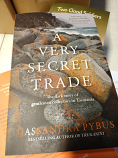
In the 19th century, European collectors and museum curators cultivated contacts in Van Diemen's Land who could supply them with specimens — not just thylacines and platypuses, but human remains. The belief that Tasmania's original Aboriginal people were a unique race facing extinction drove the European scientific community to scramble for human exhibits, creating a clandestine trade in human bones that reached to the highest levels of colonial society.
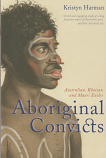
Known in Van Diemen's Land as the conciliator with the Tasmanian aboriginal people, George Robinson first came to the colony as a free settler, and kept a journal of his experiences on the voyage on the Triton.
Short stories from Adam Thompson, a Tasmanian aboriginal writer.

The true story of Black Tom Birch of Van Diemen's Land - a charismatic Aboriginal patriot and his unending fight against colonial invasion.

In 1803, William Buckley escaped from a British convict settlement at Port Phillip Bay and disappeared into the Australian bush. He was found 32 years later — barefoot, dressed in animal skins, carrying a spear, and having largely forgotten the English language. In between, he had lived with the Wathaurong people of what is now Victoria.
- per page