
- per page


Nicholas Shakespeare — novelist and biographer of Bruce Chatwin — came to Tasmania on holiday, found a house on an east coast beach near Swansea, and decided on the spot that this was where he wanted to live. He didn't yet know that his ancestor was Anthony Fenn Kemp — the corrupt, colourful and influential figure now known by some as the Father of Tasmania — or that he would find relatives still living on the island.

Deny King spent 55 years living self-sufficiently at Melaleuca in Tasmania's remote South West wilderness – as a tin miner, naturalist, painter and ornithologist. He played a crucial role in saving the critically endangered orange-bellied parrot, had a fossil banksia species named in his honour, and was appointed a Member of the Order of Australia for his contribution to conservation. This is his extraordinary story.

Richard Flanagan blends memoir and history, tracing his father's WWII imprisonment near Hiroshima through to his own life in Tasmania. Softcover, 2024, 280 pages.

Following the death of his parents in a car crash, eleven-year-old Alex Dove is torn from his life on a remote farm in Tasmania and sent to school in England. When he returns to Australia twelve years later, the timeless beauty of the land and his encounter with a young woman whose own life has been marked by tragedy, persuade him to stay.
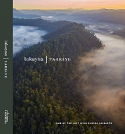
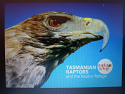
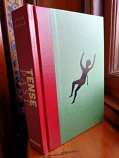
Tense Past documents Tasmanian Aboriginal artist Julie Gough's survey exhibition held at the Tasmanian Museum and Art Gallery (TMAG), Hobart, in 2019.

Deborah J. Swiss traces the lives of four women transported to Van Diemen's Land in the 19th century — following them from their origins in Scotland and Ireland through the voyage, the assignment system, and their years in the colony.

Dan Sprod's biography of Jorgen Jorgenson — one of the most extraordinary figures in Tasmanian history, and arguably in world history of the period. The Usurper is the definitive biography — 718 pages, fully indexed, including the full text of Jorgenson's own account of the Iceland 'revolution.'

- per page