- per page

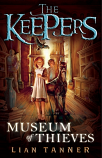
Museum of Thieves - The Keepers series #1
'You're in the Museum now - and ANYTHING can happen!' - the first book in the Keepers' trilogy of children's fantasy novels.
Our price: AUD 19.99
including GST
10.00
% (
AUD 1.82
)
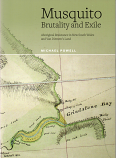
Musquito - Brutality and Exile
Explores the story of Musquito, an aboriginal resistance leader banished to Norfolk Island and subsequently hung in Van Diemen's Land.
Our price: AUD 24.99
including GST
10.00
% (
AUD 2.27
)
![Musquito – The Real Story of a Legendary Colonial Warrior | Naomi Parry Duncan | 2026 [NEW – SC]](https://onlinestore.bookcellar.com.au/images/T/musquito-parry-bJt4Si.png "Musquito – The Real Story of a Legendary Colonial Warrior | Naomi Parry Duncan | 2026 [NEW – SC]")
Musquito – The Real Story of a Legendary Colonial Warrior | Naomi Parry Duncan | 2026 [NEW – SC]
Naomi Parry Duncan's biography of Musquito — a Bidjigal man from the Sydney region who became one of the most significant First Nations resistance fighters of the early Australian colonies. Musquito was a young man when the First Fleet arrived at Port Jackson in 1788. Seventeen years later he was fighting for his Country west of Sydney, pursued by colonists. He was exiled first to Norfolk Island then to Van Diemen's Land, where he joined Palawa people in the resistance that ignited the Black War.
Our price: AUD 36.99
including GST
10.00
% (
AUD 3.36
)
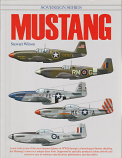
Mustang
A look at the famous American fighter, it's various marks and models.
Our price: AUD 26.50
including GST
10.00
% (
AUD 2.41
)
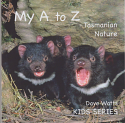
My A to Z Tasmanian Nature - Kids Series
A photographic A to Z discovery of Tasmanian nature, by renowned bush photographer Dave Watts.
Our price: AUD 14.95
including GST
10.00
% (
AUD 1.36
)
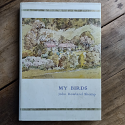
My Birds
The author John Rowland Skemp, a fourth generation Tasmanian, grew up on a small mountain farm at Myrtle Bank in North East Tasmania - in this book he shares his love and knowledge of birds.
Our price: AUD 18.50
including GST
10.00
% (
AUD 1.68
)
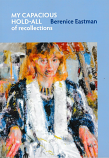
My Capacious Hold-All of Recollections
A largely Tasmanian memoir, strongly embedded in the literary life of Tasmania.
Our price: AUD 28.00
including GST
10.00
% (
AUD 2.55
)
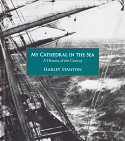
My Cathedral in the Sea - a history of the sailing ship Conway
The life of the "Conway" a sailing ship that plied the oceans between England and the Antipodes.
Our price: AUD 54.95
including GST
10.00
% (
AUD 5.00
)
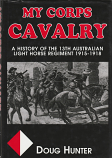
My Corps Cavalry
A history of the 13th Australian Light Horse Regiment 1915 - 1918
Our price: AUD 165.00
including GST
10.00
% (
AUD 15.00
)
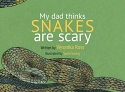
My Dad Thinks Snakes are Scary
An illustrated book explaining snakes sensibly to children, written by Tasmanian snake catcher and educator Veronika Ross, and with particular reference to the types of snakes found in Tasmania.
Our price: AUD 24.95
including GST
10.00
% (
AUD 2.27
)