
- per page

![Explorers of Western Tasmania 1815–1880 | C.J. Binks | 1980 [USED – HCDJ]](https://onlinestore.bookcellar.com.au/images/T/explorers-of-western-tasmania-6gxU6M.png "Explorers of Western Tasmania 1815–1880 | C.J. Binks | 1980 [USED – HCDJ]")
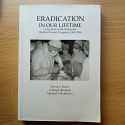
C.J. Binks's history of the exploration of western Tasmania — focusing on the people who explored the region from 1815 through to 1880, covering those who pushed into some of the most difficult terrain in Australia. Western Tasmania resisted systematic European exploration longer than almost any other part of the Australian continent — its combination of dense rainforest, buttongrass plains, and the treacherous coastlines of Macquarie Harbour and the Gordon River made it genuinely impassable for early explorers.
C.J. Binks's history of the exploration of western Tasmania, focusing on the people who explored the region from the earliest European contact through to the opening up of the west coast mining country — Jorgenson, Hellyer, Frankland, Gould, Wedge, Goodwin and others who pushed into some of the most difficult terrain in Australia.
![Flames of Fear – A History of Tasmania's Bushfire Experiences | Roger McNeice | 2016 [HCDJ]](https://onlinestore.bookcellar.com.au/images/T/xctmpYKyK4P.png "Flames of Fear – A History of Tasmania's Bushfire Experiences | Roger McNeice | 2016 [HCDJ]")
Roger McNeice's history of bushfire in Tasmania — from the mid-19th century through to recent times, covering the fires that shaped the island's rural and suburban communities and the men and women who fought them. The centrepiece of the book is Black Tuesday — 7 February 1967, when fires across southern Tasmania killed 62 people, destroyed over 1,300 homes and burned through 264,000 hectares in a single day.
![Friendly Mission – The Tasmanian Journals and Papers of George Augustus Robinson 1829–1834 | N.J.B. Plomley | First Edition 1966 [USED – HC]](https://onlinestore.bookcellar.com.au/images/T/friendlymission-1966-worn-k9ad3w.png "Friendly Mission – The Tasmanian Journals and Papers of George Augustus Robinson 1829–1834 | N.J.B. Plomley | First Edition 1966 [USED – HC]")
The first edition of N.J.B. Plomley's landmark work — the edited journals and papers of George Augustus Robinson covering his time among the Aboriginal peoples of Van Diemen's Land from 1829 to 1834. Robinson was the colonial government's self-appointed "Conciliator" to the Aboriginal population during the Black War period, and his journals are among the most detailed primary source records of that era.
- per page