- per page

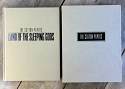
The Cotton Papers presents the writings and drawings of William Jackson Cotton, compiled and introduced by Jane Cooper, with a prologue by historian Henry Reynolds and notes by historian Nick Clements. The material is presented as Tasmanian Aboriginal mythology and history handed down through five generations of the Cotton family, who settled on Tasmania's East Coast in the 1820s.

A scarce 1933 first-edition collection of deeply reflective essays by the celebrated 20th-century theologian and pastor, Dr. Frank William Boreham. Highly regarded for his eloquent prose, Boreham's out-of-print titles remain heavily sought after by global collectors.

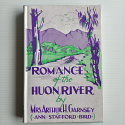
A history and description of the Huon River district south of Hobart, written by Anne Stafford Bird under her married name Mrs Arthur H. Garnsey and published by Whitcombe & Tombs, undated but around 1947. The Huon district — with its apple orchards, timber industry, fishing communities and the settlements along the river from Huonville south to Geeveston and beyond — had a distinct and largely self-contained character through the first half of the 20th century, before roads and postwar development changed the valley.
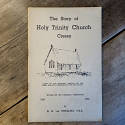
Karl von Stieglitz's 1958 centenary history of Holy Trinity Church, Cressy, consecrated in 1858 by Bishop Francis Russell Nixon in Tasmania's Norfolk Plains district.

Steven Smith's 1980 investigation into the status of the thylacine — commissioned by the Tasmanian National Parks and Wildlife Service and published as Wildlife Division Technical Report 81/1 in May 1981. This report was produced just five years before the thylacine was officially declared extinct in 1986, at a time when debate about whether any animals might survive was still active.

The Union Steam Ship Company's official tourist guide to Tasmania, illustrated throughout with photographs by J.W. Beattie, and printed at The Mercury Office, Hobart, 1898.
- per page