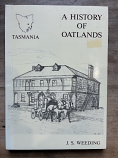
A history of Oatlands in Tasmania's southern midlands, renowned for its old sandstone buildings.
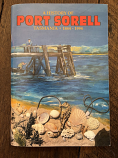
Faye Gardam's history of Port Sorell covers the district from Aboriginal occupation through to 1994 — the naming and surveying of the area, its streets and features, buildings and organisations, and local flora and fauna, along with a chapter of local stories ("A Few Good Stories!").
The Circular Head District Agricultural, Pastoral, Horticultural and Poultry Association held its first show in November 1907, on what was then the old cricket ground.
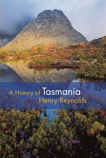
Henry Reynolds' history of Tasmania charts the history of Tasmania from the arrival of European maritime expeditions in the late 18th century, through to the modern day.

The complete two-volume academic history of Tasmania by Lloyd Robson, widely regarded as the standard modern historical treatment of the island's past. Together the two volumes constitute the most thorough and rigorously researched single-author history of Tasmania available.

Volume II of Lloyd Robson's two-volume A History of Tasmania, sold here as a standalone book. This volume covers the period from 1856 — when Tasmania achieved self-government and the colony's name was formally changed from Van Diemen's Land — through to the 1980s.
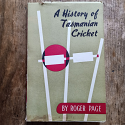
A vintage history of cricket in Tasmania, published in 1957.

A History of the Huon and far south region in Tasmania - volume one: before the orchards grew.
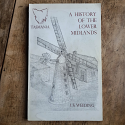
J.S. Weeding's history of the lower Midlands district of Tasmania — the region south of Campbell Town encompassing Oatlands, Tunbridge, Antill Ponds, Jericho, Interlaken, Parattah, Mount Seymour, Lake Tiberias, Rhyndaston, Stonor, Tunnack, Woodsdale, Andover, Levendale, Stonehenge and Swanston. The lower Midlands is convict-era country — the road south from Campbell Town passes through landscapes shaped by assigned convict labour, pastoral runs, coaching inns and probation stations.
A History of the Parish of Ross 1833-1969